Rounding out the culinary repertoire of Setúbal is not a food dish, but a fortified wine so distinctive it deserves its own spotlight. Moscatel de Setúbal is a sweet dessert wine that has been produced in this region for centuries and is an integral part of Setúbal’s gastronomic identity. In Portugal, only three regions are famed for their fortified wines – Porto, Madeira, and Setúbal – so this local muscat wine stands in esteemed company. With its amber glow, honeyed sweetness, and floral bouquet, Moscatel de Setúbal is often enjoyed as an apéritif or digestif and frequently offered at the end of meals in local restaurants.
What Is Moscatel de Setúbal?
Moscatel de Setúbal is a fortified sweet wine made primarily from Muscat of Alexandria grapes (locally called Moscatel de Setúbal), though a rarer purple grape called Moscatel Roxo is also used in some special versions. After the harvest, the muscat grapes are fermented on their skins to extract maximal aroma, then the fermentation is halted early by adding aguardente (grape brandy). This fortification process, similar to how Port wine is made, leaves residual sugar in the wine, resulting in a naturally sweet profile. The young fortified wine is then aged – often for years or even decades – in wooden casks. During aging, it develops complex flavors: orange peel, caramel, dried fruits, and nuts, all layered atop the original grapey floral notes typical of muscat. By regulation, Moscatel de Setúbal D.O.C. must age a minimum of 18 months, but many are aged much longer. Some famous producers in the region have stocks of Moscatel that are 20, 30, even 40 years old, producing rich, dark, syrupy versions. Most Moscatel de Setúbal you’ll encounter, however, is a blend of various ages averaging 5–10 years, delivering a balanced sweet wine with around 17-18% alcohol by volume.
Moscatel de Setúbal is known for:
Amber to deep golden color
Notes of orange peel, honey and dried fruits
Floral and citrus aromas
Smooth, sweet finish
Medium to high aromatic intensity
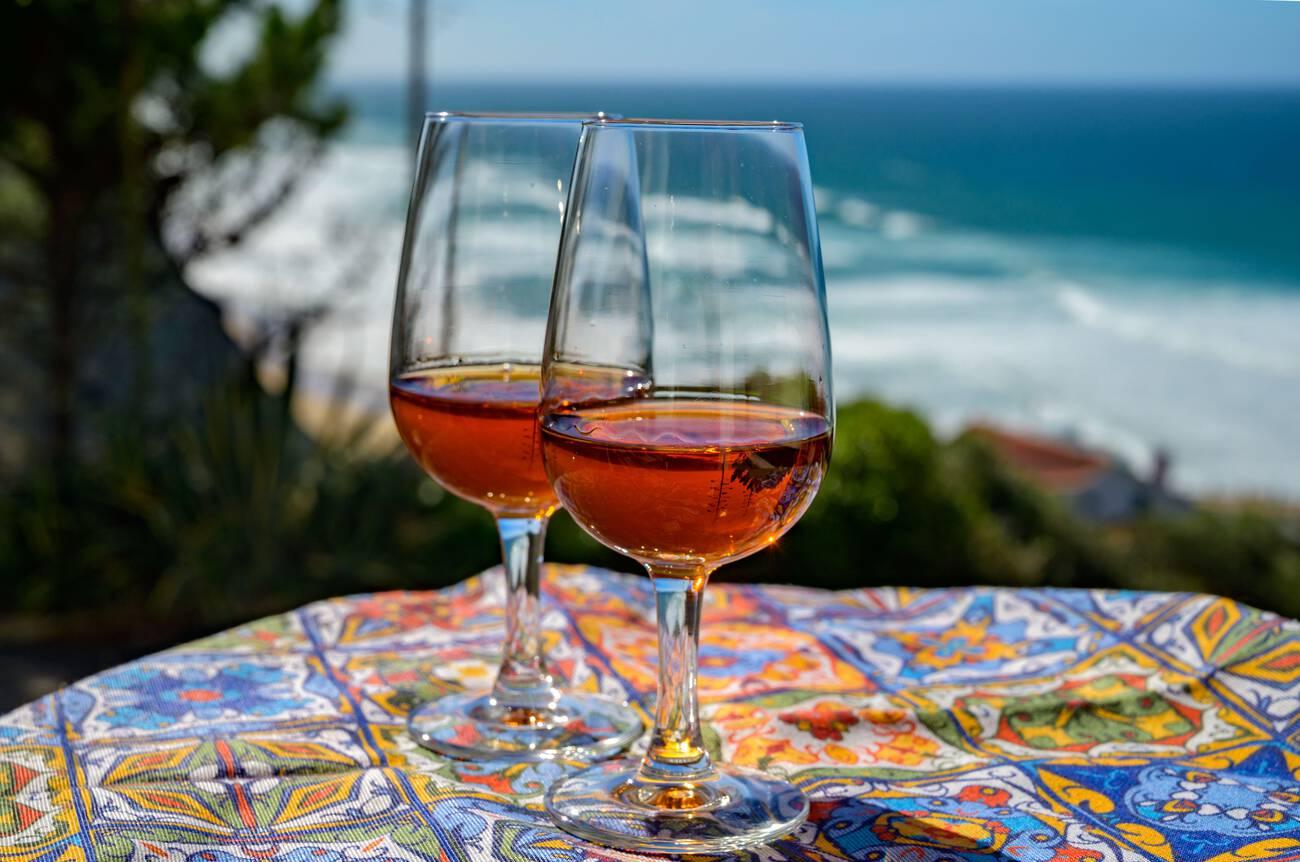
A sip of Moscatel de Setúbal is like tasting sunlight. It’s golden to tawny in color, and its aroma bursts with citrus blossom, honey, and apricot. On the palate it is sweet but with good acidity – you might taste raisins, fig, orange marmalade, and a distinctive hint of florals (think orange flower or elderflower) mingled with spice. Locals often enjoy it chilled in small glasses as a dessert on its own. In fact, it’s customary at traditional restaurants in Setúbal that after you finish your meal, the server may ask, “Sobremesa? Café? Moscatel?” – meaning “Dessert? Coffee? Moscatel?” – and many will happily choose the Moscatel. It provides a sweet end to the dining experience, sometimes in place of a sugary dessert. Because of its sweetness and strength, it’s typically served in modest portions (around 2-3 ounces). Some like to drop an ice cube or a strip of orange peel into the glass, which can accentuate the citrus notes. However, purists (and winemakers) often recommend drinking it neat at cool room temperature to appreciate its full complexity. There is also a redder variant known as Moscatel Roxo de Setúbal (made from the purple muscat grape) which is less common but highly prized for its intensity – if you find it, it’s worth a try for comparison.
Moscatel de Setúbal has a long legacy, tied to the region’s winemaking families and estates. Producers like José Maria da Fonseca (who make the well-known “Alambre” Moscatel) have been crafting it since the 19th century. It was historically popular in royal courts and won international awards in the late 1800s, putting Setúbal on the world wine map. Today, the wine region is a source of pride – many locals will boast of how their Moscatel stands up to any Port or sherry. The drink is deeply ingrained in local customs: a bottle of Moscatel often comes out during celebrations, holidays, or simply when hosting guests from out of town, as an offering of hospitality. In Setúbal city, you’ll find plenty of wine bars and cellars where you can taste different brands and ages of Moscatel, sometimes paired with local cheeses (like Queijo de Azeitão) or desserts. A popular combination is Moscatel with a tiny espresso on the side – sip the wine, sip the coffee, and enjoy the play of sweet and bitter.
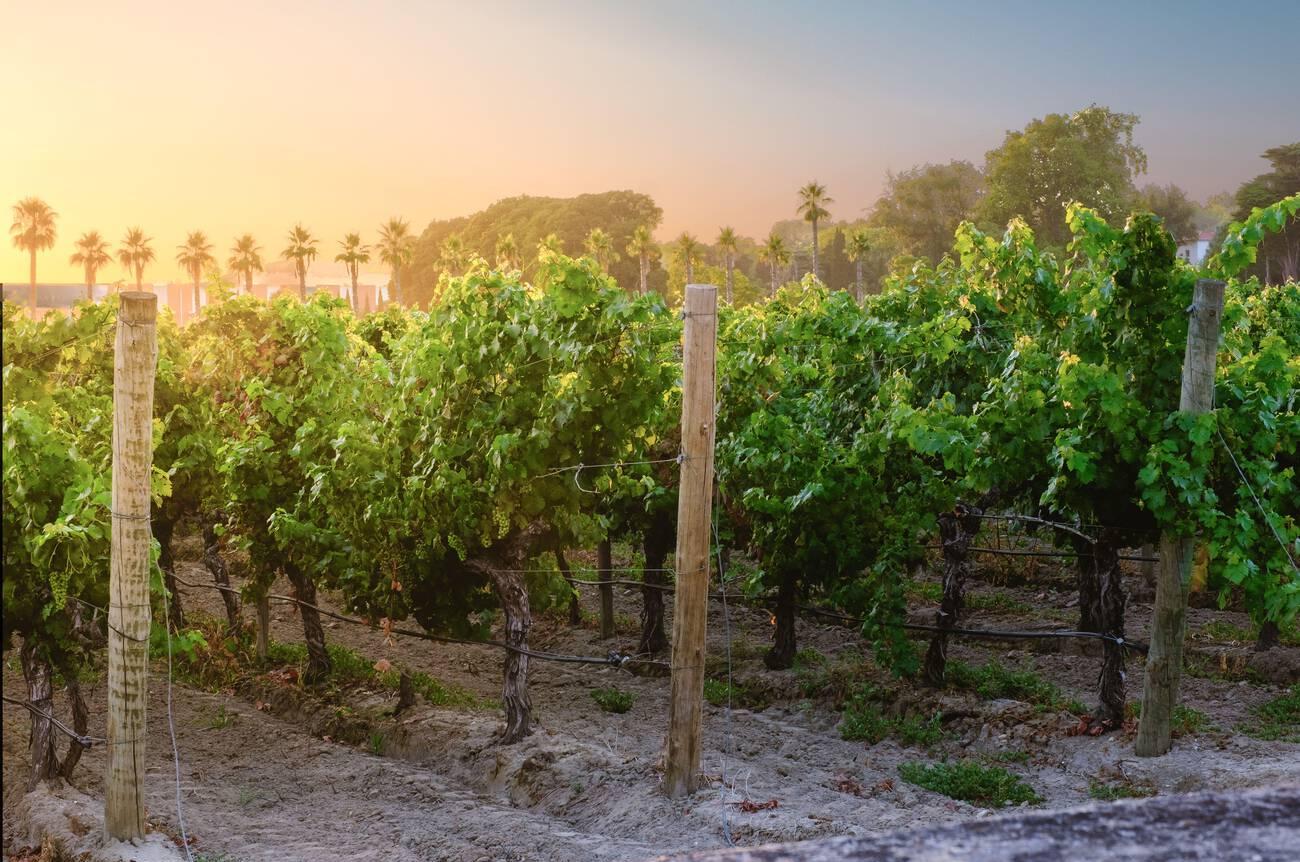
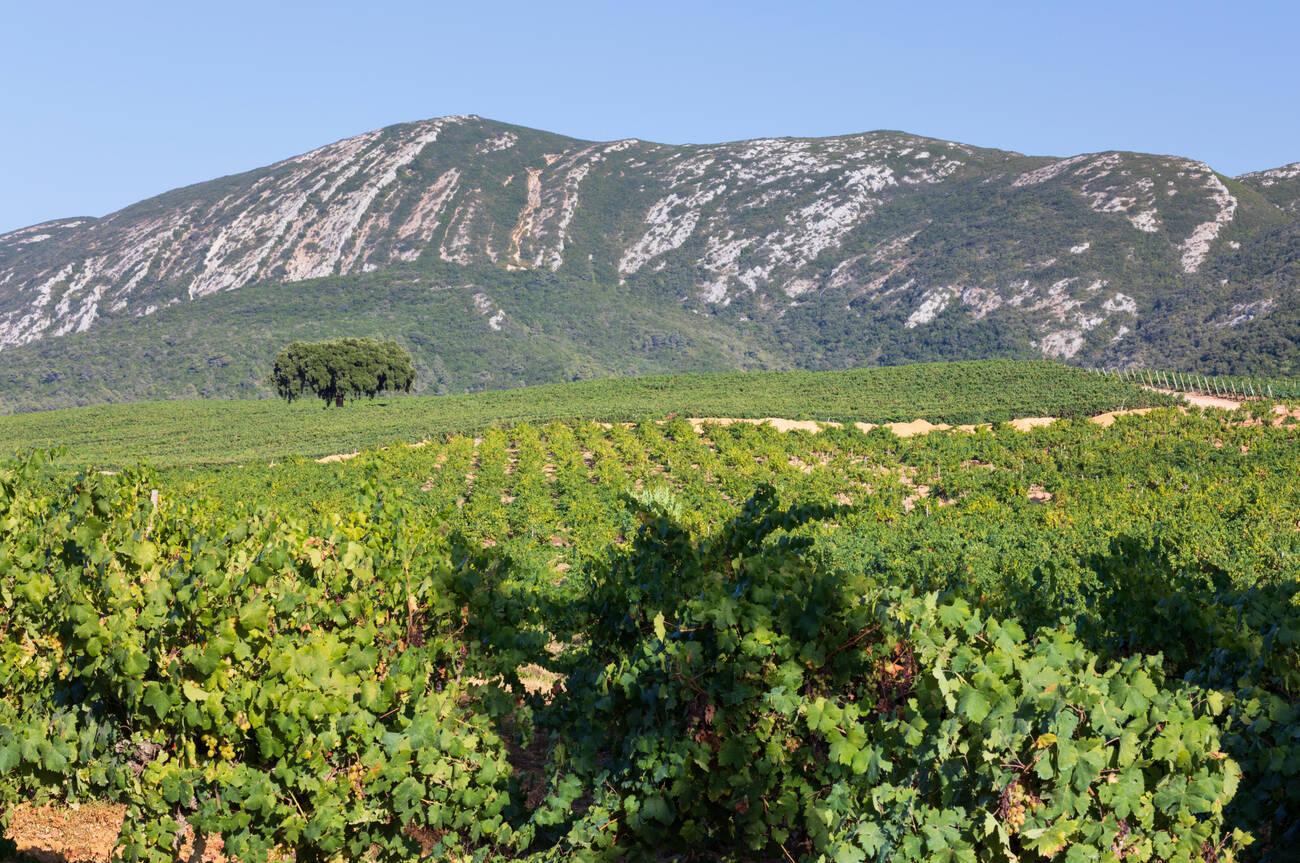
For visitors, touring the Moscatel vineyards and wineries around Azeitão and Palmela is a delightful experience, often culminating in tastings. You’ll learn how the wines are made and aged, and likely hear stories like how some casks survived the 1755 earthquake or how British officers in the 1800s fell in love with the wine. As a tip: the Moscatel Roxo (purple muscat) is rarer because that grape nearly went extinct; revived plantings now produce limited batches of an even more aromatic wine, colored like dark topaz – if you see “Moscatel Roxo”, you’re in for a special treat. In any case, enjoying a glass of Moscatel de Setúbal is more than just tasting a sweet wine; it’s partaking in a tradition that marries Setúbal’s sunny terroir with a rich winemaking heritage. So when in Setúbal, raise a glass of this amber nectar – salute! – and savor the sweet, mellow notes that have enchanted palates for generations.
Photos displayed are sourced from public Instagram posts via hashtag. All rights belong to their respective owners.
Not all Portuguese Moscatel wine comes from Setúbal, but Moscatel de Setúbal is the most famous and protected denomination. It is one of the best-known Moscatel styles in Portugal.
Moscatel wine Portugal styles are produced in a few regions, but the most recognized version — Moscatel de Setúbal — is made in the Setúbal peninsula wine region.
Moscatel de Setúbal dessert wine typically has an alcohol content around 17–18%, due to the fortification process used during production.

A Unique Seaside Escape in Central Asia

A Rare Natural Wonder with Blush-Toned Sand

White Sands and Turquoise Waters Away from the Crowds