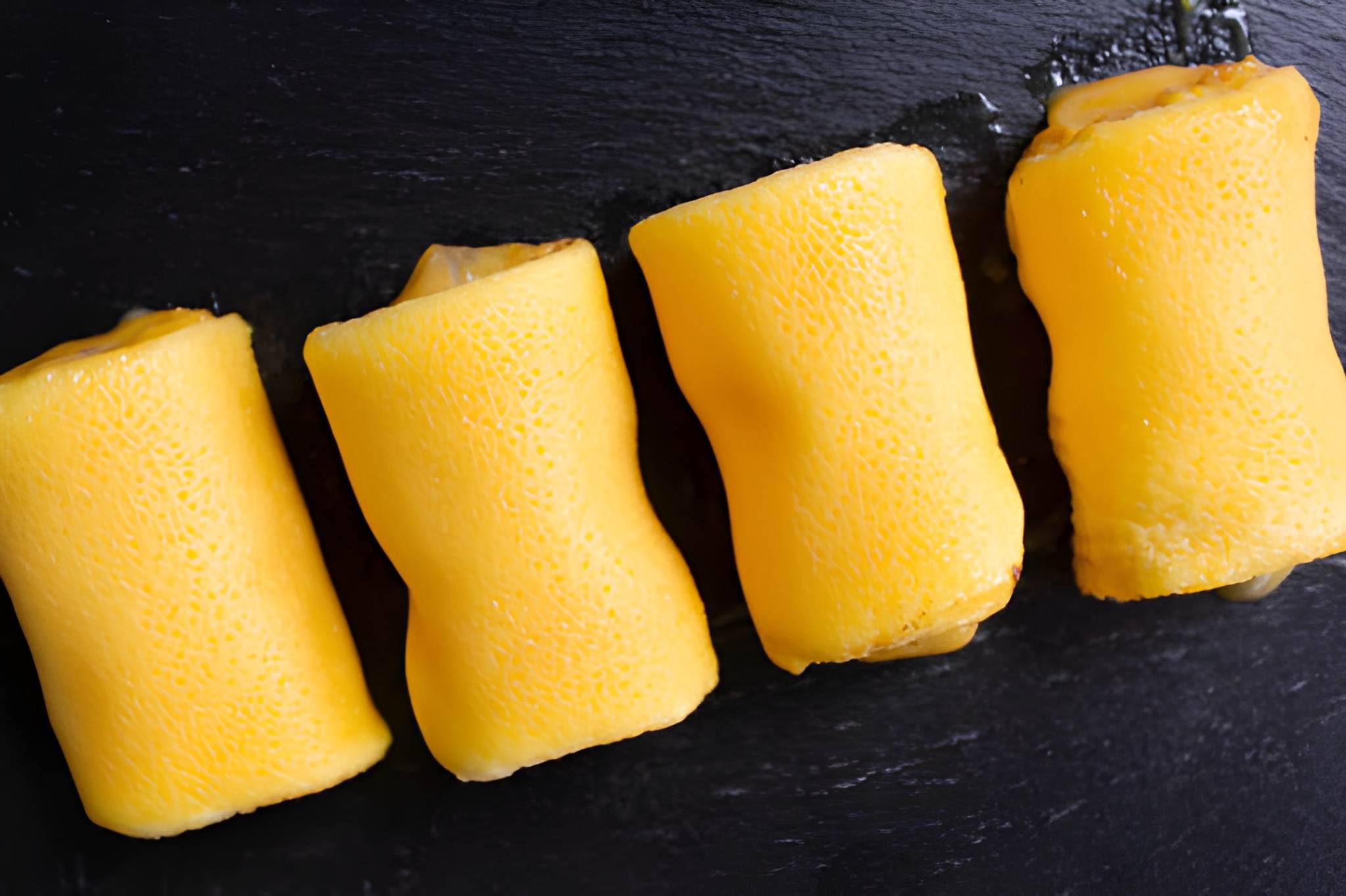
Tortas de Azeitão pastry are one of the most recognized traditional sweets from the Setúbal region in Portugal. They are often compared to a Swiss roll style dessert, but with a distinctly Portuguese character.
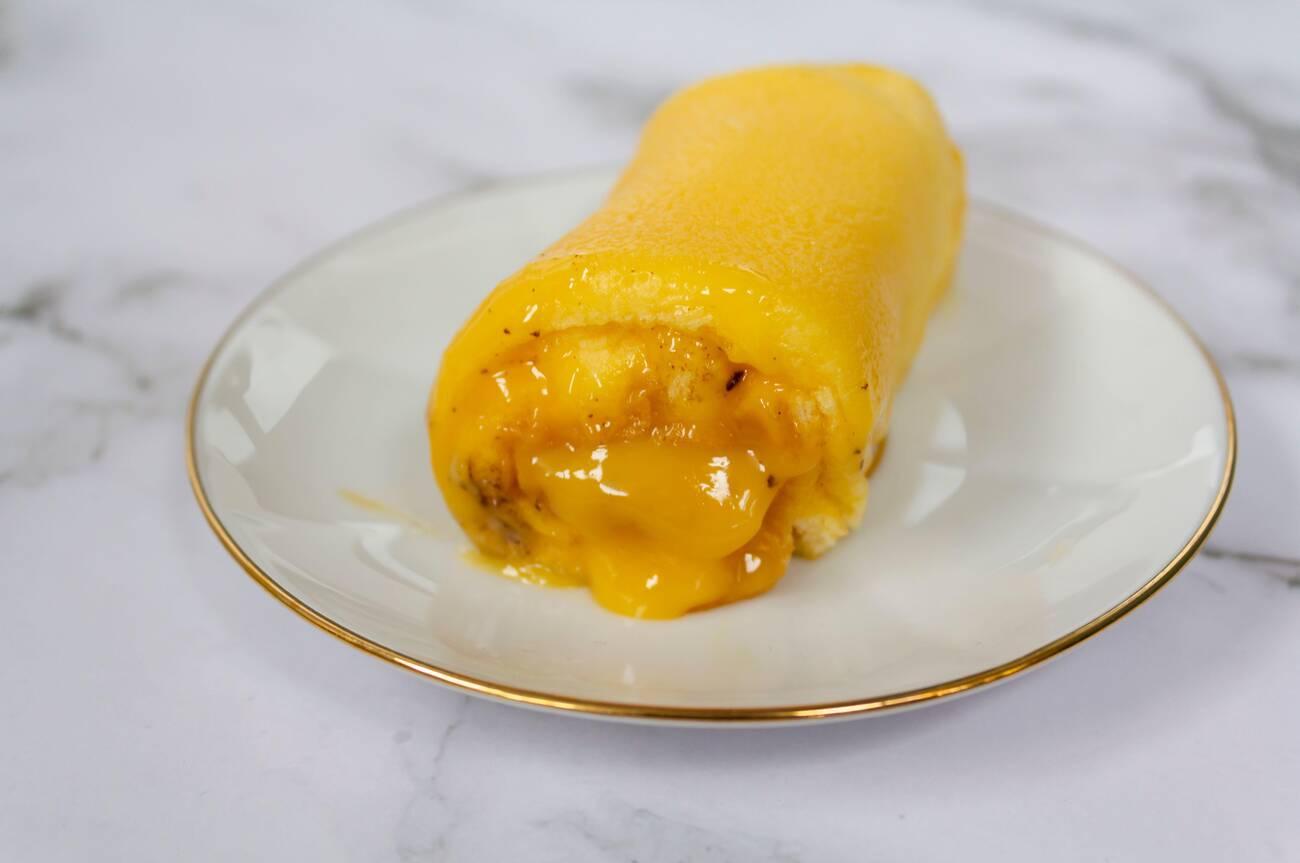
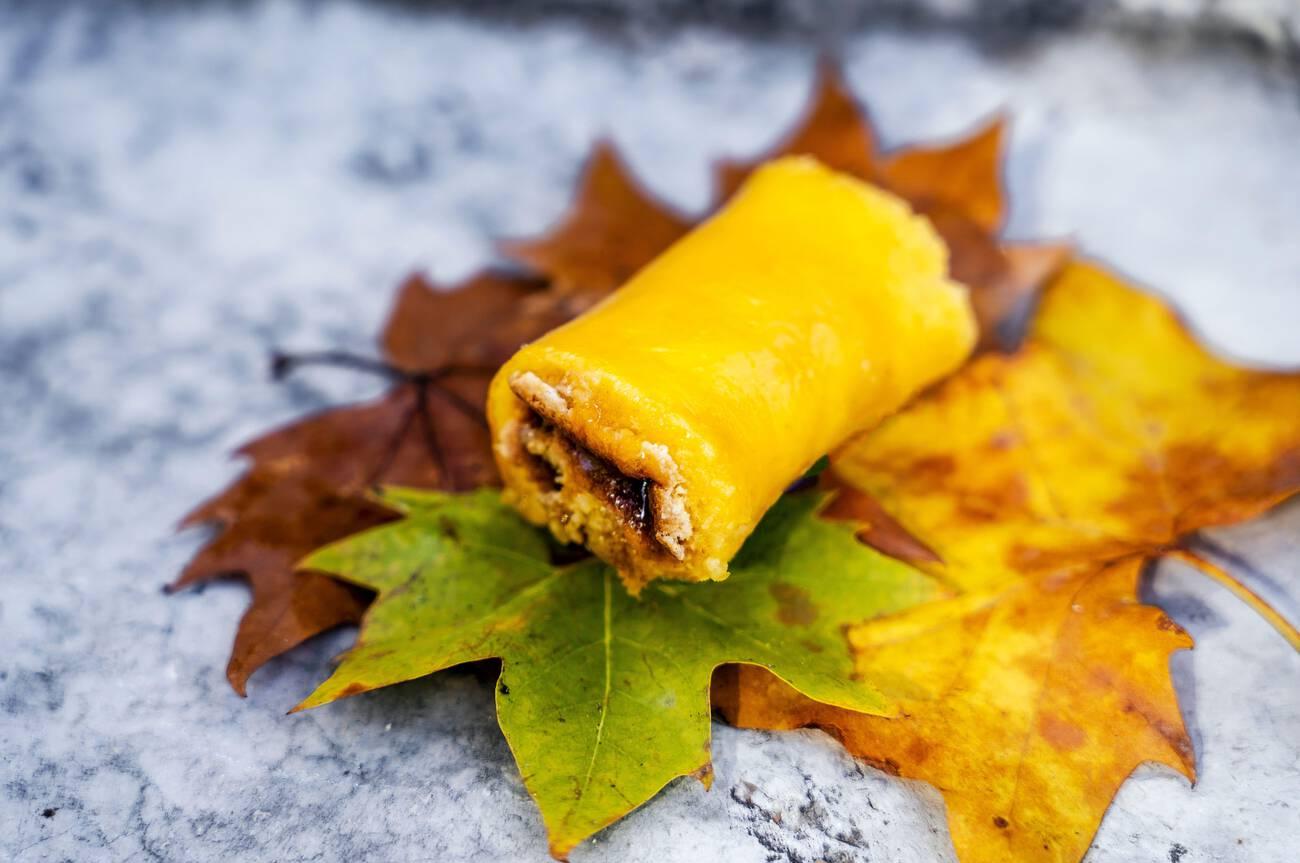
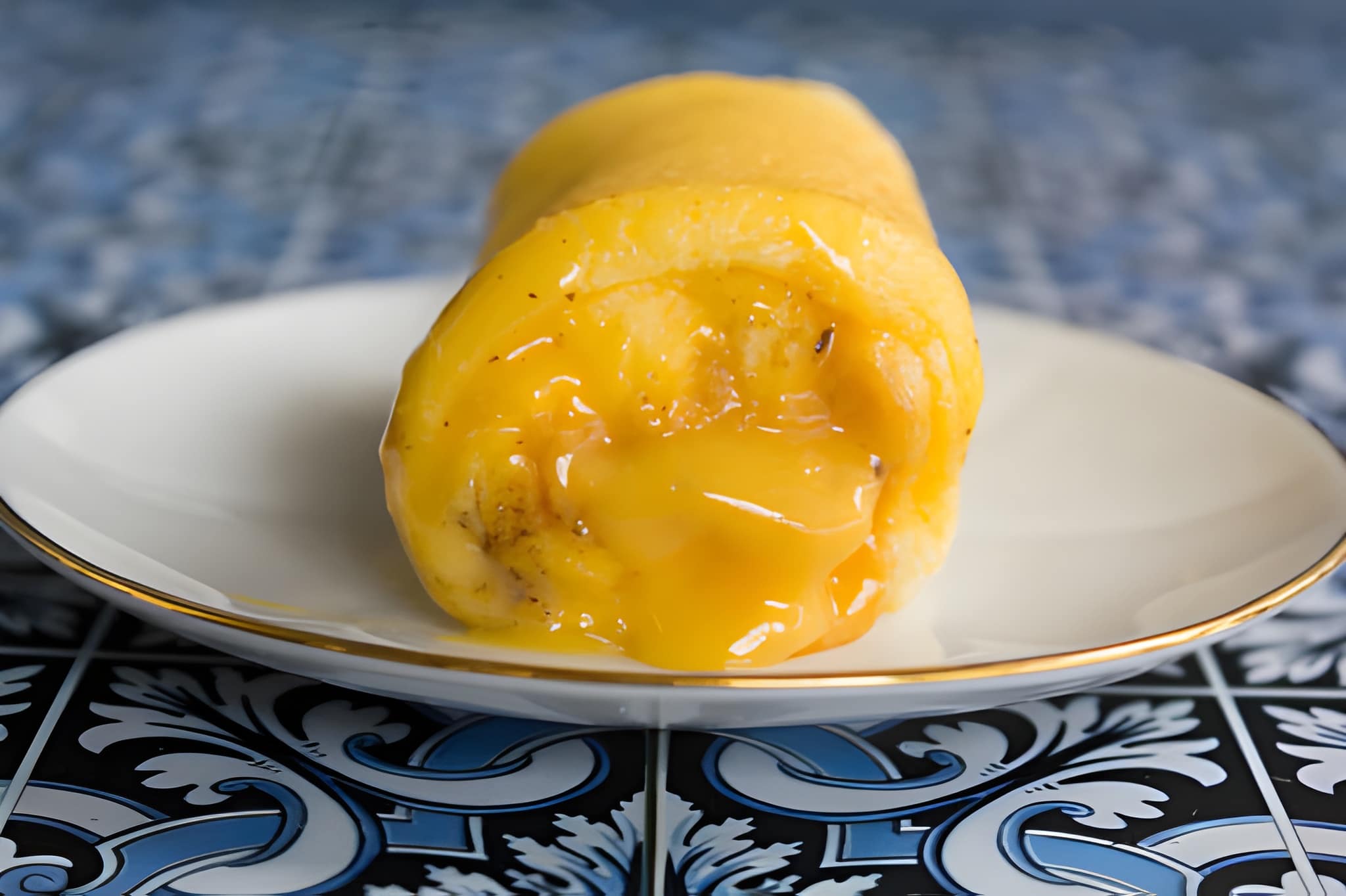
This Azeitão traditional dessert is made with a thin, flexible sponge layer spread with a golden egg yolk filling, then carefully rolled while still warm. The result is a soft, creamy and delicate sweet known for its bright yellow color and light sugar finish on the outside.
Tortas de Azeitão are commonly prepared as individual portions and are widely listed among the most famous Setúbal regional sweets. The recipe belongs to the long-standing tradition of Portuguese conventual baking, where egg-based sweets became popular centuries ago. Today, this Portuguese egg roll dessert remains one of the most distinctive examples of regional pastry craftsmanship, and the classic Azeitão egg pastry is closely associated with the town that gives it its name.
This Portuguese egg roll dessert is typically made with:
The result is a soft texture with a creamy, rich and smooth sweet flavor. The cake layer of a Torta de Azeitão is a thin sheet of sponge made from eggs, sugar, and flour (often wheat flour with a bit of cornstarch or the like). Because of the high proportion of eggs, the sponge is very pliable and moist, which allows it to roll without cracking.
After baking, this sheet cake is generously spread with a filling called doce de ovos – a traditional Portuguese egg jam made by cooking egg yolks with sugar into a custard that’s thick enough to hold shape, similar to lemon curd in consistency.
Often, the filling in Tortas de Azeitão has a touch of lemon zest and cinnamon, giving it a fragrant citrus note and a hint of spice. The sponge is then rolled up around the filling while still warm. Each roll is typically a few inches long, and the exterior gets a light brush of sugar syrup or a dusting of sugar for shine.
The final texture is soft and a bit sticky; when you bite in, you taste the sweet eggy cream balanced by a whisper of cinnamon and lemon. It’s rich without being heavy, with the brightness of lemon cutting through the sweetness.
Like many Portuguese egg desserts, Tortas de Azeitão have a story linked to monasteries and convents. The excess use of egg yolks in Iberian sweets dates back to the 1700s and 1800s when nuns and monks used egg whites for clarifying wines and starching clothes, leaving yolks for cooking.
In the case of Tortas de Azeitão, local lore suggests the recipe might date back to the 19th century. Interestingly, it’s said that the recipe did not originate precisely in Azeitão, but was brought from the Alentejo (specifically from a town called Fronteira) by a pastry chef who established a confectionery in Azeitão around the turn of the 20th century. That pastry shop, named “O Cego” (meaning “The Blind Man,” after the nickname of its founder), popularized the sweet in Azeitão.
Over generations, Tortas de Azeitão became synonymous with the town – so much so that many visitors travel there just to buy a box of the authentic tortas. The original recipe has been closely guarded, and though many places make similar rolls, locals will insist there’s something special about those from Azeitão, perhaps owing to the exact ingredient proportions or baking techniques passed down by the original creators.
Cultural significance
Photos displayed are sourced from public Instagram posts via hashtag. All rights belong to their respective owners.
Tortas de Azeitão FAQ

A Unique Seaside Escape in Central Asia

A Rare Natural Wonder with Blush-Toned Sand

White Sands and Turquoise Waters Away from the Crowds